Your wedding hairstyle has to survive the ceremony, the photos, the dinner, the dancing, the hugging, the wind (if you're outdoors), and possibly rain, humidity, or 95-degree heat. That's a lot to ask of bobby pins and hairspray. Here's what we learned from watching hundreds of hairstyles succeed and fail over the course of entire wedding days.
The Hairstyles That Actually Last
The Classic Updo
There's a reason the low chignon, the French twist, and the textured bun have survived every bridal trend cycle: they work. Updos hold up for 12+ hours, they keep hair off your neck and shoulders (crucial for warm-weather weddings), and they photograph beautifully from every angle — including the back, which matters more than you'd think during the ceremony.
Best for: Any hair length from collarbone and longer, outdoor weddings, humid climates, and brides who don't want to think about their hair once it's done.
Pro move: Ask for a "lived-in" updo with soft face-framing pieces rather than a super-tight, slick bun. The relaxed texture looks more modern and actually hides minor loosening better as the night goes on.
The Half-Up, Half-Down
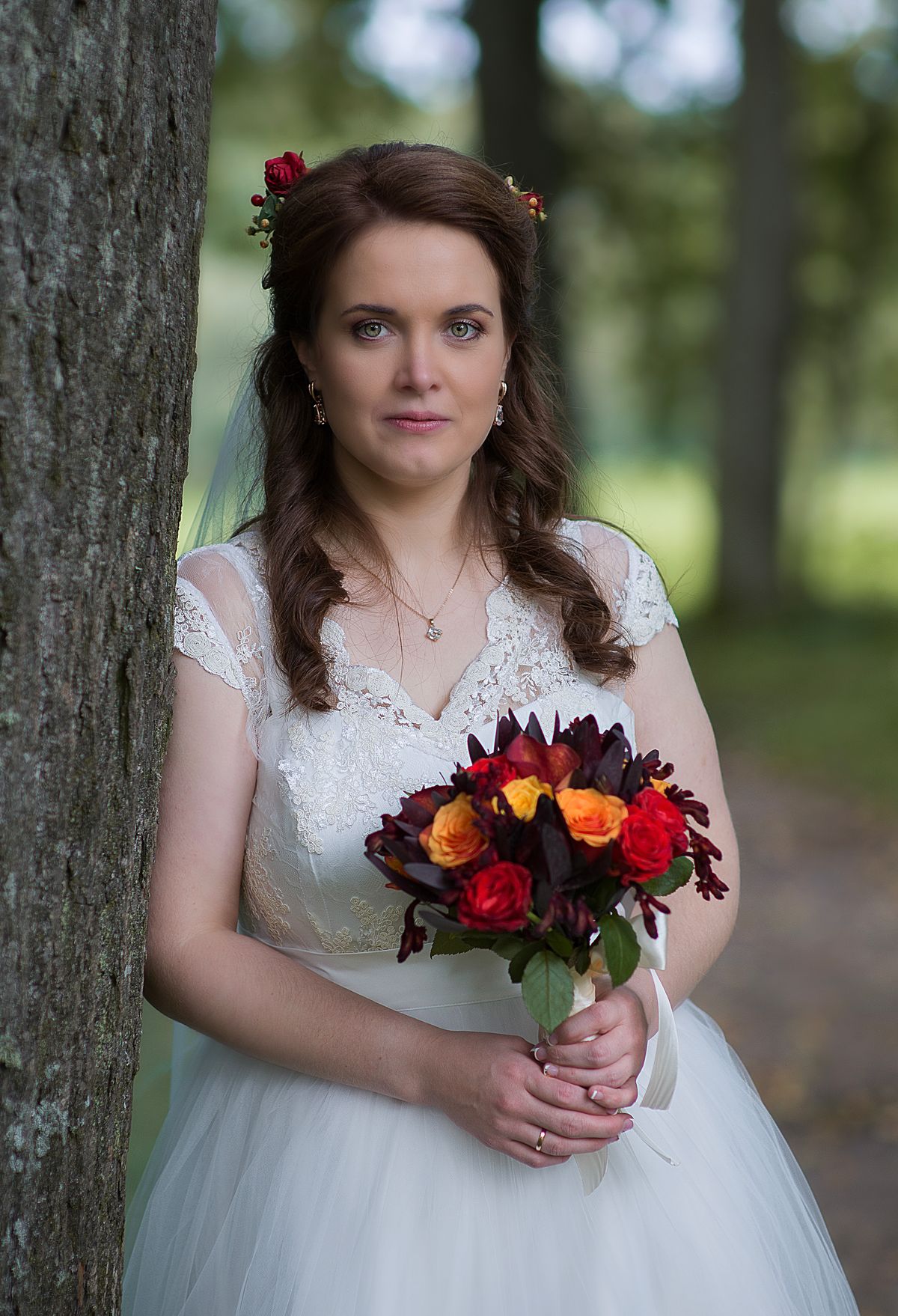
This is the Goldilocks of bridal hair — romantic enough for the ceremony, practical enough for the dance floor. The top section is pinned or twisted away from the face, and the bottom falls naturally. It works with veils, hair accessories, and flowers, and it's one of the most forgiving styles if you have layers or shorter pieces around your face.
Best for: Brides who want the volume and movement of down hair with the security of some structure. Also great for brides who plan to remove their veil after the ceremony — the top section gives it something to anchor to.
Longevity tip: Ask your stylist to curl the bottom section with a slightly tighter curl than you want. Curls loosen throughout the day, so what looks slightly too curled at 10 AM will look perfectly undone by 6 PM.
The Braided Style
Braids are the unsung heroes of bridal hair. A Dutch braid, fishtail, or braided crown holds structure all day, handles wind and humidity better than any loose style, and looks effortlessly romantic in photos. They also age beautifully as the day goes on — a slightly loosened braid looks intentionally boho, while a slightly loosened curl just looks messy.
Best for: Outdoor and destination weddings, brides with thick or textured hair, and anyone who wants a style that looks better as it relaxes.
The Sleek Low Pony
Modern, clean, and incredibly chic. A sleek low ponytail with a wrapped base looks elevated without being fussy. It's particularly stunning with minimalist dresses, statement earrings, and open-back gowns.
Best for: Modern or minimalist weddings, brides with naturally straight or smoothly textured hair, and anyone who wants to show off their earrings or back detailing.
The Styles That Struggle
Fully Down Loose Curls
We know. This is what half of Pinterest shows. And it looks absolutely gorgeous — at 10 AM. By cocktail hour, loose curls are flat, stringy, or frizzy depending on your hair type and the weather. Fully down styles also get caught in everything: your veil, your necklace, your partner's jacket buttons, your lipstick.
If your heart is set on fully down hair, be realistic about what it'll look like at hour eight. Ask your stylist about extra support techniques (pin curls set with clips that are removed right before photos, or a hidden internal structure that adds hold without visible pins).
Super Intricate Styles with Many Pins
An elaborate updo with 60+ bobby pins and a complex engineering structure looks incredible in photos — right up until a pin starts poking your scalp during dinner and you can't find it without dismantling the entire thing. Complex styles also take longer to create (meaning earlier wake-up times) and are harder to touch up if something shifts.
The Truth About Hair Extensions
Extensions are incredibly common in bridal hair, and there's zero shame in using them. Even brides with thick, long hair often add extensions for extra volume and fullness that photographs beautifully. Here's what you need to know:
Clip-In Extensions
The most popular option for wedding day hair. Clip-ins are applied the morning of and removed at the end of the day. They add volume and length without any long-term commitment or damage to your natural hair.
- Pros: No commitment, no damage, easy to remove, can be reused for other events
- Cons: The clips can occasionally feel uncomfortable under a tight updo, and they require some practice to place securely
- Cost: $100 to $350 for a good quality set of human hair clip-ins
Tape-In Extensions
Applied 2 to 4 weeks before the wedding by a professional. They sit flat against your head and blend seamlessly, making them ideal for half-up styles and loose waves where clip edges might show.
- Pros: More seamless than clip-ins, comfortable for all-day wear, great for fine hair
- Cons: Require professional application and removal, can be pricey, need maintenance if your wedding prep spans several weeks
- Cost: $200 to $600 for application plus the cost of the hair
Tips for Extension Success
- Color match in person. Don't trust online color swatches. Buy from a brand that offers color-matching or go to a salon that carries extensions.
- Break them in before the wedding. Wear your extensions at least 3 to 4 times before the big day. They should feel natural and look like they belong to your head.
- Tell your stylist you're wearing them. Even if it feels awkward, your stylist needs to know. They'll plan the style around the extensions and position them for maximum impact.
- Practice the placement. If using clip-ins, practice placing them yourself (even if your stylist will do it on the day). You should be able to comfortably reposition one if it shifts during the reception.
Your Hair Trial: What to Do and What to Ask
A hair trial is not optional. Here's how to get the most out of it:
- Bring your veil and accessories. The stylist needs to see how the hair interacts with everything you'll actually be wearing. A beautiful updo that can't support a veil isn't the right updo.
- Wear a similar neckline. If your dress is strapless, wear a strapless top. The way hair falls around your neckline changes the entire look.
- Take photos from every angle. Front, both sides, and back. In natural light and flash. Look at them on your phone screen, not just in the mirror.
- Live with it for a few hours. Don't take the style down right after the trial. Wear it for 3 to 4 hours and see how it holds. Dance around your living room. Hug someone. Put on a jacket and take it off. If it survives your test run, it'll survive the wedding.
- Be honest about what you don't like. The trial is exactly the time to say "I love the back but the front is too flat" or "can we try more volume at the crown?" Your stylist would rather adjust now than scramble the morning of.
Day-Of Hair Tips
- Don't wash your hair the morning of. Day-two hair holds style better than freshly washed hair. Wash the evening before and let it air dry or blow dry smooth.
- Skip heavy conditioner. Too much conditioner makes hair slippery and hard to pin. If you must condition, keep it on the ends only.
- Bring dry shampoo. Even if your hair isn't oily, dry shampoo adds grip and texture that helps styles hold. A light application at the roots before styling gives your stylist something to work with.
- Don't touch it. Once your hair is done, hands off. Every time you tuck, smooth, or fiddle, you loosen the style slightly. Trust your stylist and leave it alone.
"The best bridal hairstyle isn't the most complicated one. It's the one you completely forget about by the time you're on the dance floor — because it's still perfect and you haven't thought about it once."
Choose a style that works with your hair, your venue, and your day. Test it, trust it, and then go enjoy your wedding without checking a mirror every thirty minutes. That's the real goal.