
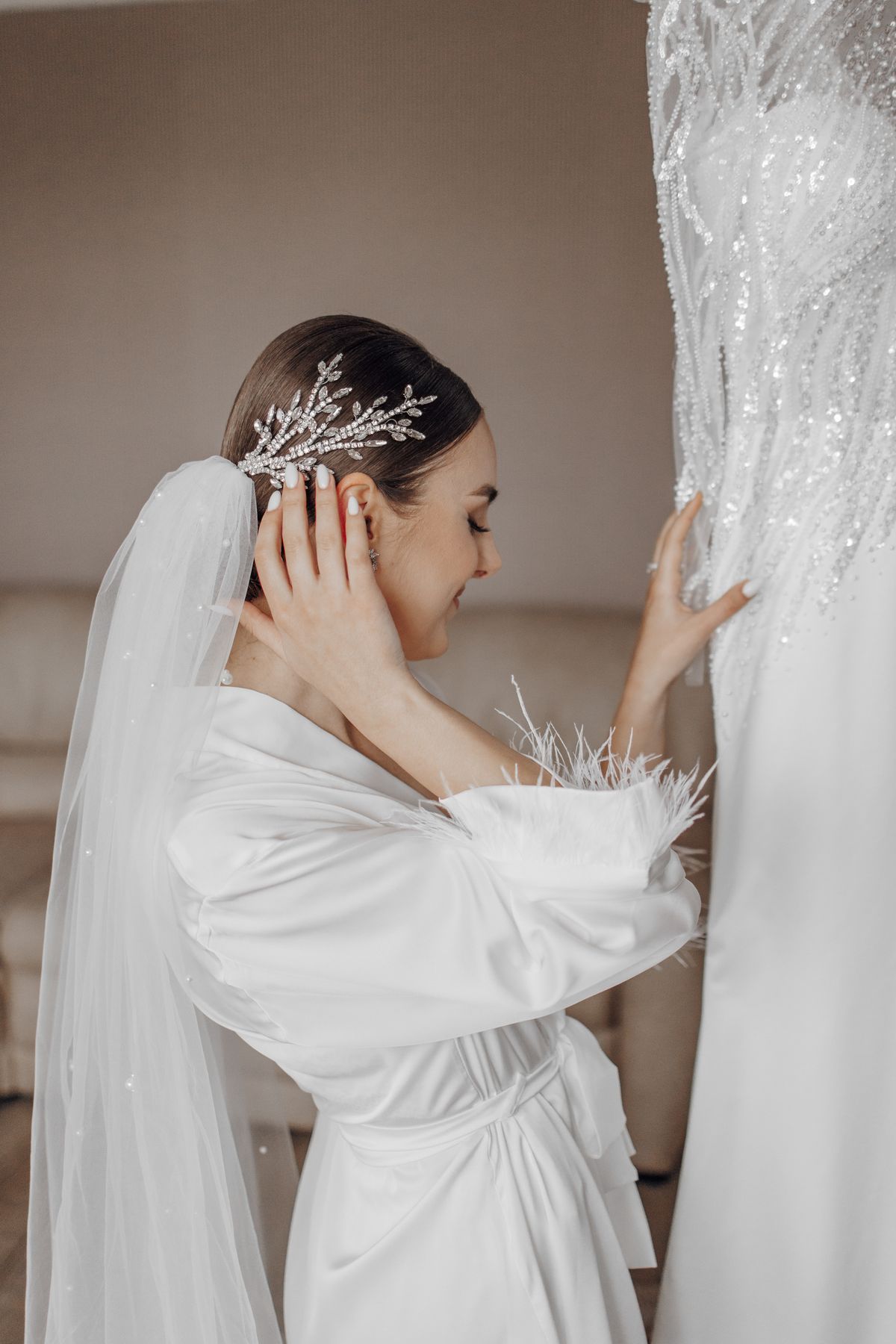
The wedding morning is when everything either flows smoothly or descends into chaos. The difference is almost always a timeline. Not a rigid, minute-by-minute military schedule — just a clear plan that keeps everyone moving in the right direction without anyone panicking about being late.
We've been in the getting-ready room hundreds of times, and the mornings that went well always had one thing in common: someone had written down the plan and shared it ahead of time.
The Reverse-Engineering Method
The secret to a great getting-ready timeline is working backward from your ceremony time. Everything else falls into place from there.
Here's the formula:
- Ceremony time. This is your anchor.
- Subtract 30 minutes for "bride is completely ready" buffer time. This is non-negotiable. Things always take longer than planned.
- Subtract travel time from getting-ready location to ceremony venue (if different).
- Subtract first look / pre-ceremony photo time if applicable (usually 45 to 60 minutes).
- Now you have the time the bride needs to be fully dressed. Work backward from there for hair, makeup, and prep.
Sample Timeline: 4:00 PM Ceremony
Here's a realistic timeline for a bridal party of 5 (bride plus 4 bridesmaids) with the ceremony at 4:00 PM at the same venue.
- 7:00 AM — Hair and makeup team arrives, sets up. They'll need 15 to 20 minutes to set up their stations. Don't rush this — a good setup means a smoother process.
- 7:30 AM — Bridesmaids start hair and makeup. Two artists working simultaneously can handle 4 bridesmaids in about 3 hours (roughly 45 minutes per person for hair, 40 minutes for makeup). The order should be whoever has the earliest pre-ceremony obligation goes first.
- 8:00 AM — Breakfast arrives. Have food delivered to the room. Protein-heavy options that aren't messy: fruit, yogurt parfaits, egg wraps, pastries. Nothing with red sauce. Nothing that crumbles everywhere. Coffee, obviously.
- 10:30 AM — Bride starts hair. The bride always goes last for hair and makeup. This ensures her look is the freshest and she has the least amount of time to accidentally smudge something.
- 11:15 AM — Bride starts makeup. Should take 45 to 60 minutes for the bride, since her look typically involves more detail.
- 12:15 PM — Bride's makeup complete. Lunch break. Again, non-messy food. Sandwiches (no red sauce), salads (careful with balsamic), and plenty of water. Eat carefully — someone should hold a towel over the bride's outfit while she eats if she's already in her robe.
- 1:00 PM — Bride gets dressed. Allow 30 to 45 minutes for this. Getting into a wedding dress properly takes time — especially with buttons, lacing, or a bustle. Only the maid of honor and the bride's mother (or whoever is helping) should be in the room for this. It's calmer with fewer people.
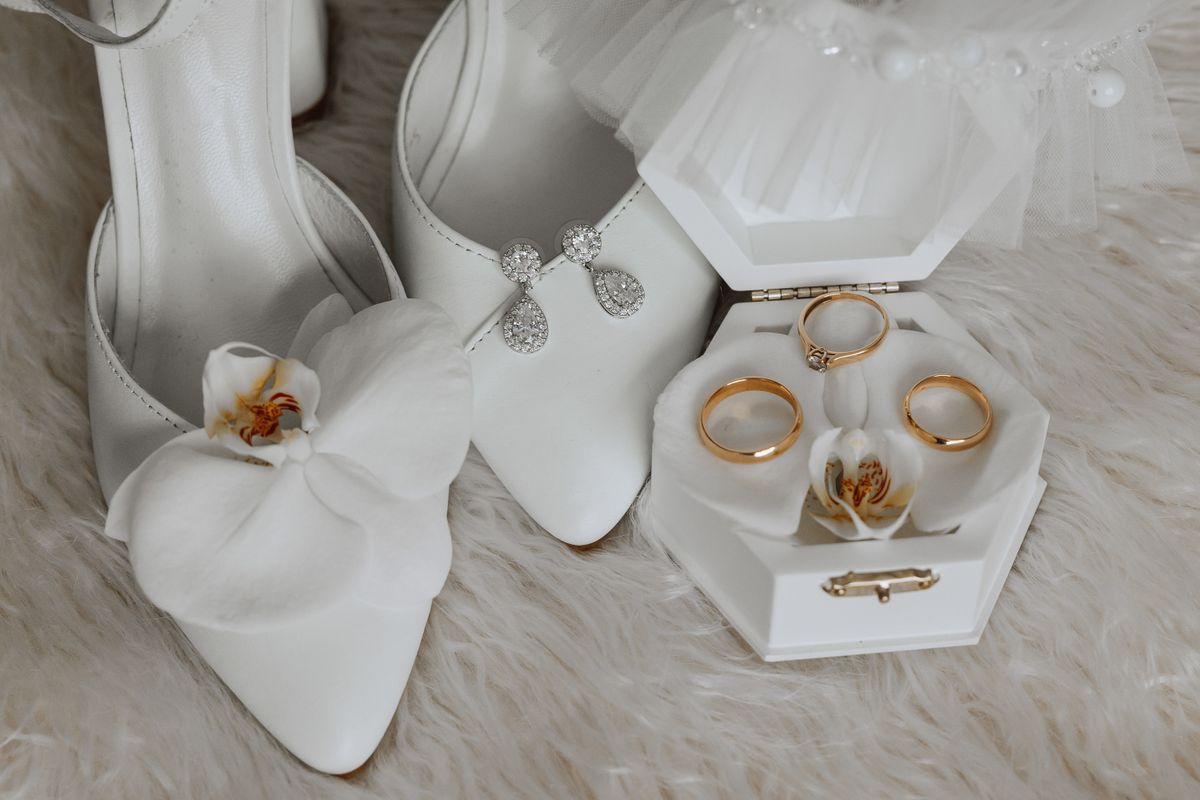
- 1:45 PM — Final touches. Veil, jewelry, shoes, perfume. The photographer should be actively shooting at this point.
- 2:00 PM — First look photos begin. The photographer will guide the timing here. Plan for 45 to 60 minutes for first look plus bridal party portraits.
- 3:00 PM — Everyone returns to holding area. Bridesmaids touch up their own hair and makeup. Bride does final mirror check. Everyone uses the restroom.
- 3:30 PM — Ceremony lineup begins. The venue coordinator or wedding planner takes over. Everyone should be where they need to be, calm, hydrated, and ready.
- 4:00 PM — Ceremony.
Adjustments for Different Ceremony Times
Morning Ceremony (10:00 to 11:00 AM)
This is the tightest timeline. Hair and makeup needs to start at 5:00 or 5:30 AM for a full bridal party. Consider reducing the bridal party size for hair and makeup (mothers and flower girls can do their own), hiring additional artists to work simultaneously, or having bridesmaids come with hair already done and only getting makeup.
Early Afternoon (1:00 to 2:00 PM)
The sweet spot. Plenty of time for a relaxed morning without an absurdly early wake-up. Start hair and makeup around 7:00 to 7:30 AM and you'll have breathing room.
Evening Ceremony (6:00 to 7:00 PM)
You have all day, but that can actually be a problem. Too much downtime leads to restlessness and anxiety. Don't start too early — there's no reason to be fully ready at 2:00 PM for a 6:00 PM ceremony. Start at 10:00 to 10:30 AM and build in a proper lunch break and some relaxation time in the afternoon.
The Roles Everyone Should Know
A timeline only works if people know their responsibilities. Before the wedding day, assign these roles:
- Timeline keeper. This person (usually the maid of honor or a bridesmaid) watches the clock and gently keeps things moving. They announce "10 minutes until lunch" and "time to start getting dressed." They are not the bride.
- Phone handler. Someone who holds the bride's phone and handles all incoming texts and calls. Vendor running late? Problem with the florist? The phone handler deals with it, not the bride.
- Emergency kit holder. The person carrying the day-of emergency kit: safety pins, sewing kit, stain remover, pain reliever, antacids, blotting papers, extra bobby pins, double-sided tape, and a phone charger.
- Food and drink coordinator. The person who makes sure breakfast and lunch arrive, water is always available, and no one (especially the bride) forgets to eat.
Common Getting-Ready Mistakes
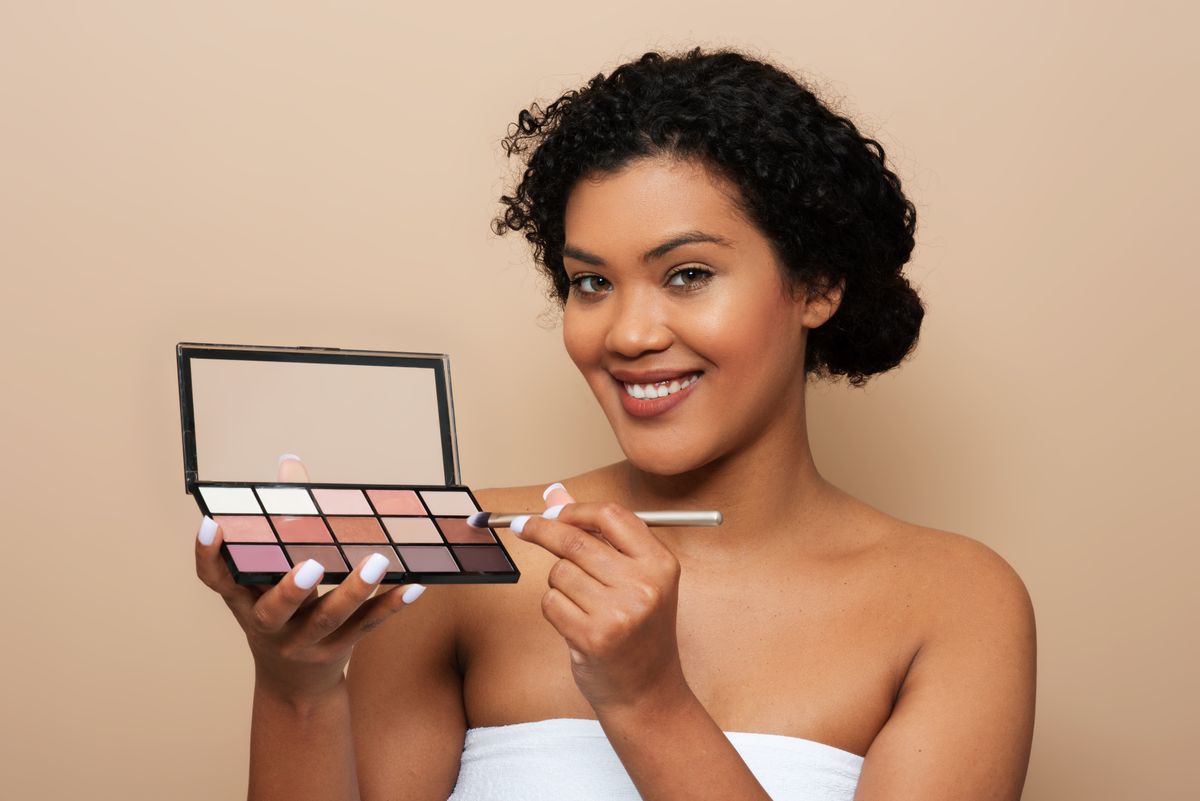
- Not doing a hair and makeup trial. The morning of your wedding is not the time to see your look for the first time. Trials happen 4 to 6 weeks before.
- Inviting too many people to the getting-ready room. The bridal party, the mothers, and the photographer. That's it. Cousins, aunts, and friends can meet you at the venue. A crowded room is a chaotic room.
- Skipping food. Brides who don't eat before the ceremony get lightheaded, pale, and shaky. This is visible in photos and, more importantly, ruins the experience.
- Not sharing the timeline. Send the timeline to everyone involved at least a week before. The hair and makeup team, the photographer, the bridal party, and the mothers should all have a copy. No one should be guessing what happens next.
- Getting dressed too early. The bride should be one of the last things that happens. Sitting around in a wedding dress for 3 hours leads to wrinkles, stains, and discomfort. Get dressed 1.5 to 2 hours before the ceremony, not 4 hours before.
"The best wedding mornings we saw weren't the fanciest. They were the ones where the bride was laughing, eating breakfast, and not once looking at the clock — because someone else was handling the schedule."
Write it down. Share it with your people. Then let someone else run it while you enjoy the morning. You've earned that.